Saturday, March 12, 2016

Bees

Bees are insects closely related to wasps and ants, that produce pollen used in making honey.  
Bees are in the superfamily Apoidea.
There are 20, 000 species of bees, in 7 different families, though many bees are undiscovered. They can be found everywhere except polar regions and oceans, everywhere where there is flowering plants (plants with flowers). Some species such as bumblebees, honeybees, and stingless bees live in colonies. Bees have adapted to feed on nectar and pollen using a long tongue. The pollen produced by bees is used as food for larvae. 

Friday, March 11, 2016

Asteroceras BW.jpgAmmonites

Ammonites are an extinct group of mollusks in the subclass Ammonoidea of the class cephalopoda. The ammonites are more related to octopus and squids than nautiloids (shelled cephalopods), such as the living nautilus. The first species appeared in the Devonian period, then died out in the late crutaceous- paleogene period, but fossils can still be found today.
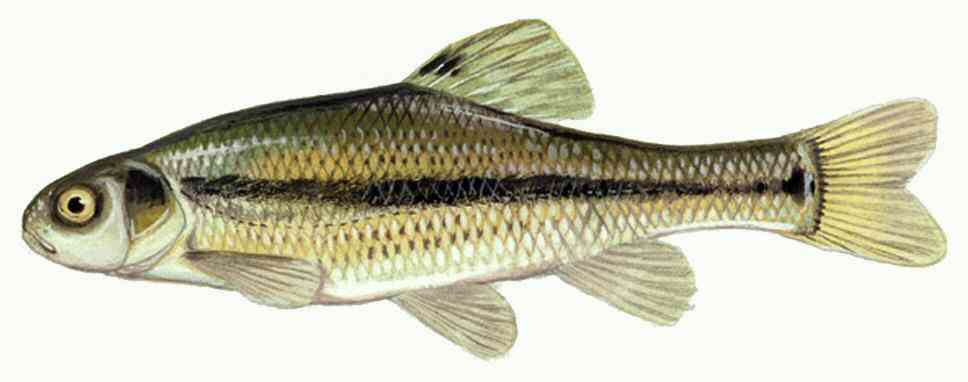
Minnows

'Minnow' is used for small freshwater fish, especially those used in fishing bait. Specifically, fish in the family Cyprinidae.  In Ireland they are known as pinkeens.

Thursday, March 3, 2016

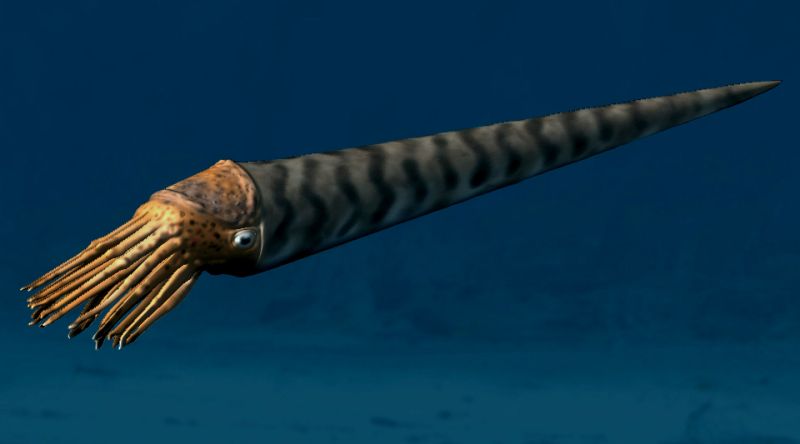
Nautiloids 

Nautiloids are a reasonably large group of cephalopod mollusks in the subclass Nautiloidea that Orthoceras BW.jpgexisted since the Late Cambrian and are still found today as nautiluses.   

Monday, February 29, 2016

SQUIDS

Squids are Cephalopods in the order Teuthida, which has 
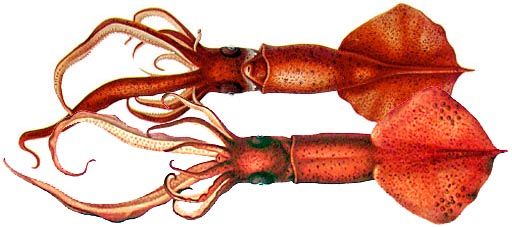
about 304 species. Like all Cephalopods, squids have a head, arms, bilaterally symmetrical, fins, and mantle. Like cuttlefish squids have 8 arms arranged in pairs of two, most of the time longer. Squids are strong swimmers, some can even `fly` through the water doing a long glide or propels themselves through the water fast.


 Squids are in the class Cephalopoda, subclass Coleoidea, and order Teuthida, which has two major suborders, Myopsina and Oegopsina. Teuthida is the biggest cephalopod order including 300 species and 29 families.

The order Teuthida is a member of the suborder Decapodiformes (in Greek meaning `ten legs`). Two other orders of Decapodiformes cephalopods are squids, recognizable for their long slimy arms and elongated body. They are bobtail squids in the order Sepiolida and the rams horn squid Spirulida. The vampire squid is more related to octopuses than squids.


Members of Cephalopoda:

Nautiloids: nautiluses
Ammonoidea: Ammonites
Belemnoidea: extinct belemnoids
Spirulida: ram`s horn squid
Sepiida: cuttlefish
Sepiolida: bobtail squids
Teuthida: squid
Octopoda: octopus
Vampyromorphida: vampire squid
Loliginidae: inshore, calamari, grass squid
Ancistrocheiridae: sharpear enope squid
Architeuthidae: giant squid
Batoteuthidae: bush-club squid
Chtenopterygidae: comb-finned squids
Cranchiidae: glass squids
Gonatiae: armhook squid
Histioteuthidae: jewel squid
Joubiniteuthidae: Joubin`s squid
Lepidoteuthidae: Grimaldi scaled squid
Magnapinnidae: bigfin squid
Mastigoteuthidae: whip-lash squid
Ommastrephidae: flying squid

Sunday, February 28, 2016

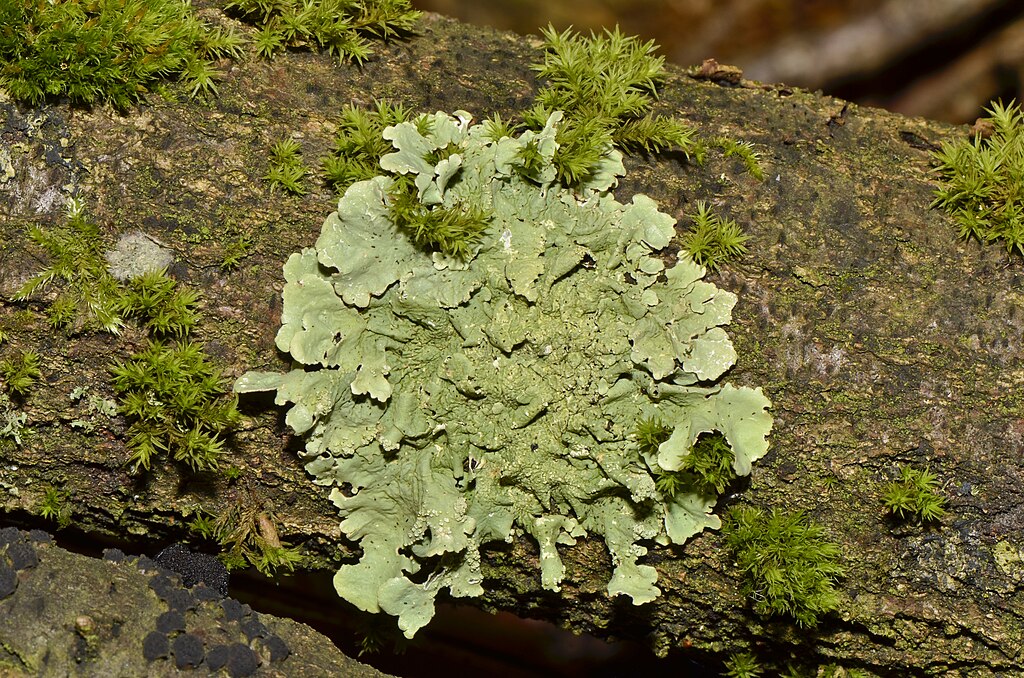
LICHEN

Lichens are composite organisms rising from wood, algae and dead leaves stuff like that. Lichens may look like plants, but they are actual fungi, as they use spores instead of seeds and have leafless branches as well as no flowers, as all plants (besides conifers) have flowers, and lichens don't have flowers. 

Saturday, February 27, 2016

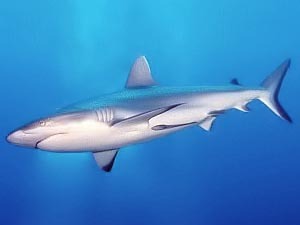
SHARKS

Sharks are a group of fish characterized by their cartilaginous skeleton, five to seven gills on the side of their head, and pectoral fins not fused to the head. Sharks now are classified in the genus Selachimorpha and are closely related to stingrays.  

 Grey reef shark