Saturday, February 27, 2016

SHARKS

Sharks are a group of fish characterized by their cartilaginous skeleton, five to seven gills on the side of their head, and pectoral fins not fused to the head. Sharks now are classified in the genus Selachimorpha and are closely related to stingrays.  
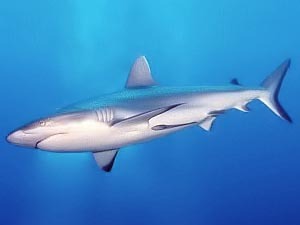
 Grey reef shark
BEANS

 
Beans is a common name for large plant seeds in pods consumed by humans and animals in the family Fabaceae.


Beans were originally referred to as seeds from the broad, or fava bean, but was later expanded to include members of the New World genus Phaseolus, such as the common bean and runner bean, and also later included the related genus Vigna. The word is now referred to other Old world plants such as chickpeas, soybeans, peas, vetches, and lupins. 


The bean was also used as a synonym of pulse, an edible vegetable, though pulse is not related to beans, as it is a crop grown for its dry grain. The term beans exclude plants that are used for oil extractions, (such as soy-beans and peanuts) as well as plants that are used for sowing (such as clover and alfalfa). Crops such as snap peas and snow peas, and so on, are not considered beans because they are a vegetable crop. According to the United Nations Food and Agriculture the word bean should only be used for members of the family Phaseolus, however a strict consensus definition has proven in the past that beans from other families (such as azuki bean, black gram, green gram, and moth bean) were classified in the family Phaseolus and later reclassified.  
  

Friday, February 26, 2016

POLYCHAETE WORMS

"A variety of marine worms": plate from Das Meer by M.J. Schleiden (1804–1881).Polychaete worms are scale worms found in marine habitats. These worms are sometimes called 'bristle worms' because they often bear spines. These worms can be found in small rivers, all the way to the deepest depths of the ocean, as in the Challenger Deep expedition, a small 2-3cm polychaete worm was found right at the bottom of the Mariana trench. There are more than 100,000 species of polychaete worms. Common representatives of polychaete worms are the lugworm, sandworm, and clamworm. Only 2% (168 species) of the polychaetes are found in fresh water. Polychaetes range in size from 2cm to 3m.    
BEETLES

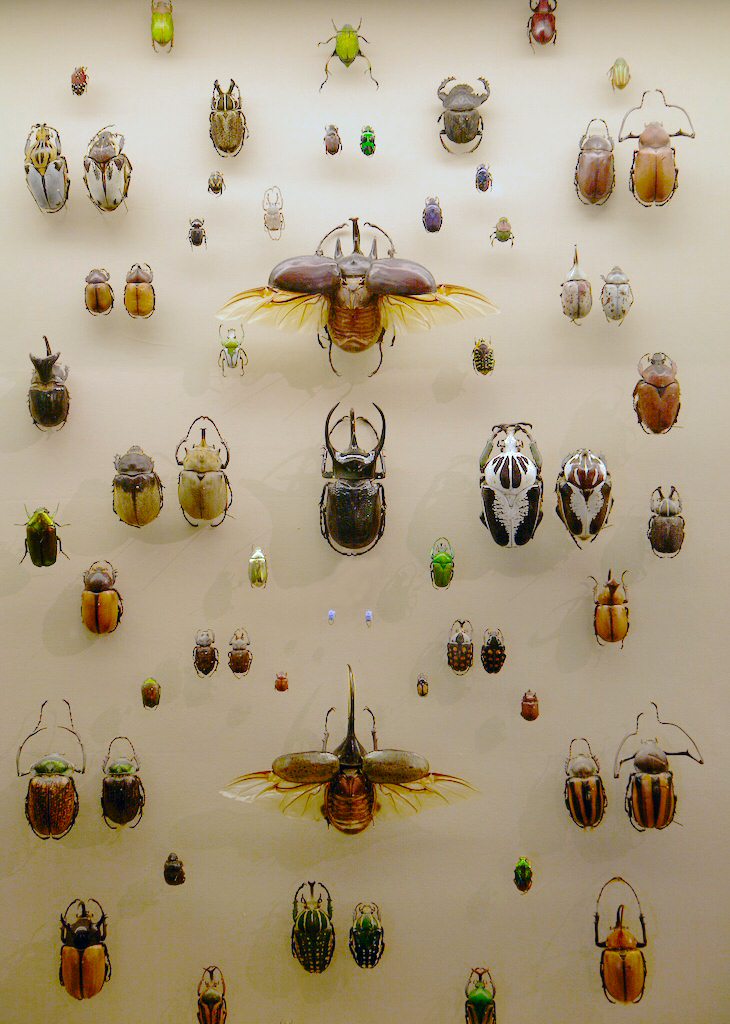
https://upload.wikimedia.org/wikipedia/commons/d/d5/WLA_vanda_Collection_of_Beetles.jpg 
Beetles are a group of insects from the family Coleoptera. About 25% of earth's life is beetles, and only about 40% of the beetles on earth are discovered. There are 400,000 known species, and estimated about 1,000,000 beetles in total, leaving about 60% more to discover. The distribution of beetles is basically worldwide, besides polar regions and oceans, but everywhere else you can find beetles. They often feed on plants, fungi, and dead humus (debris on forest floor), and some feed on other invertebrates. some even feed on birds and mammals. Some species of beetles are pests, feeding off crops and destroying forests. But others, such as ladybirds or ladybugs (family Coccinellidae), feed on beetles and other invertebrates that destroy crops and forests, helping control the number of dead trees or destroyed crops.    
CONCH

A conch is a type of marine shell. The family of
conchs is called Strombidae.
https://upload.wikimedia.org/wikipedia/commons/2/2b/Conch_drawing.jpg

Thursday, February 25, 2016

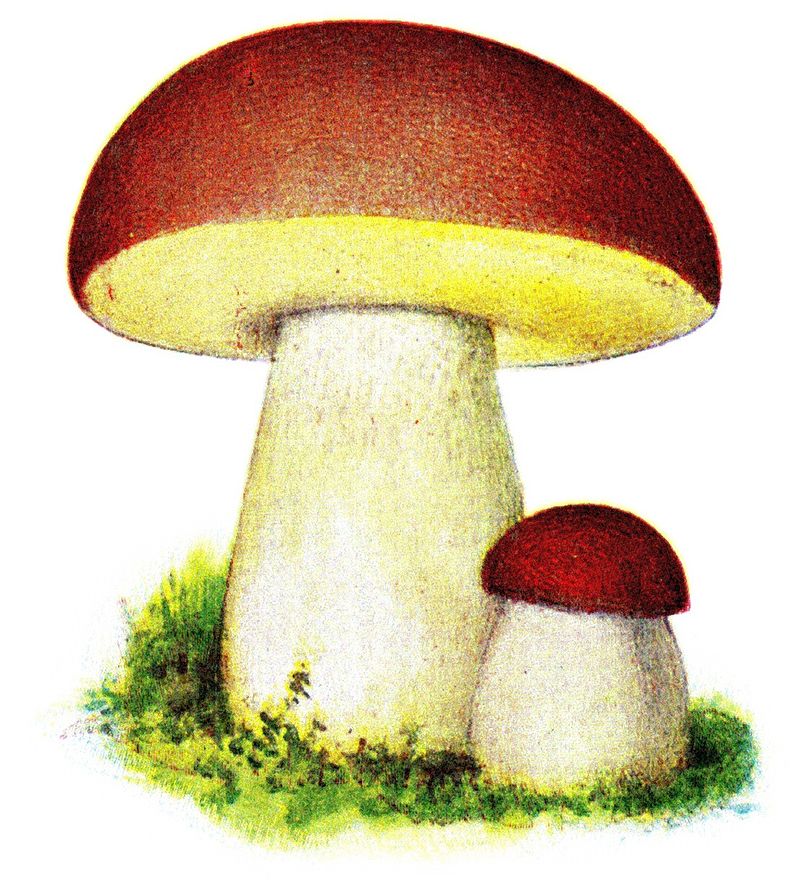
BOLETES

Boletes are mushrooms with no gills, instead of gills it has pores that contain spores, some bracket fungus also have pores, but still have difference in DNA.
Karl Johanssvamp, Iduns kokbok.jpg 
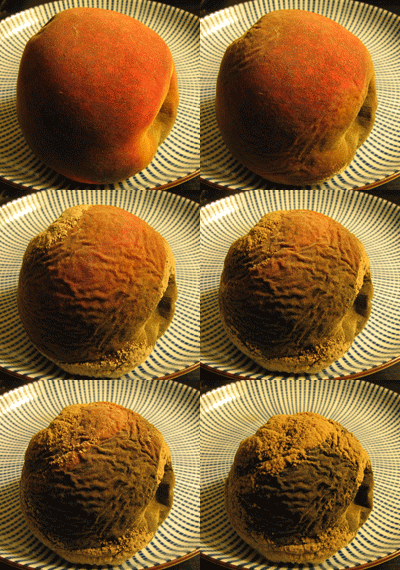
MOLD 

A mold is a fungus that grows on old plant materials, such as old fruit and old wood. Molds can form large colonies where the growth of hyphae forms discoloration, and a fuzzy mushy texture, and a fuzzy look. They play important roles in nature. 


There are millions of species of mold with even different ways of life. Most need moist damp surfaces and some grow in aquatic habitats. Like fungi, molds get their nutrient from organic matter, such as wood, other fungi, and dead leaves.    
https://upload.wikimedia.org/wikipedia/commons/2/27/DecayingPeachSmall.gif